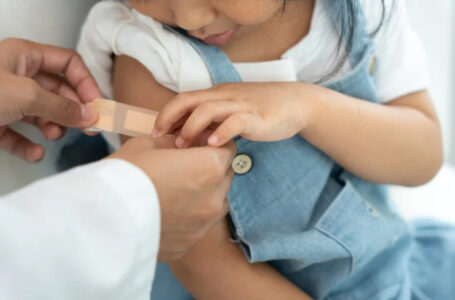
Vaccines have protected children in the UK for generations, yet in recent years we’ve seen a worrying drop in uptake. This decline has real consequences. Illnesses like measles spread incredibly quickly among unvaccinated children, and outbreaks in parts of the UK show just how vulnerable communities can become when vaccination rates fall.
Routine NHS childhood vaccinations save thousands of lives every year and prevent hundreds of thousands of hospital admissions. They’re free, they’re safe, and they remain one of the most effective ways to protect children from serious diseases.
Why vaccination is so important
Vaccines shield children from illnesses such as measles, mumps, rubella, whooping cough, meningitis, polio and diphtheria — diseases that can cause long‑term complications or may even be life‑threatening. When enough children are vaccinated, it also helps protect those who can’t be vaccinated due to age or medical conditions.
Unfortunately, the UK recently lost its World Health Organization measles elimination status after a sharp rise in cases. This happened at the same time vaccination rates dropped below the 95% level needed to prevent outbreaks. It’s a reminder that these diseases haven’t gone away — they return when vaccination levels fall.
What’s new in the childhood vaccination programme?
This year, the NHS introduced the MMRV vaccine, which protects against measles, mumps, rubella and chickenpox in a single jab. Chickenpox vaccination has previously only been available privately at a cost of around £150 for two doses, so adding it to the NHS schedule removes a major barrier for families.
The second dose of MMRV is now offered earlier — at 18 months — so children are fully protected before starting school.
Vaccinations when travelling abroad
If your family is planning to travel, it’s especially important to check your child’s vaccination record. Diseases that are rare in the UK may be more common in other countries, and travel can increase the risk of exposure. Making sure your child is fully up to date before you go helps keep them safe wherever they are in the world.
What parents can do now
· Check your child’s vaccination record — your GP practice can confirm what they’ve had and what’s due.
· Book any missing vaccines — it’s never too late to catch up.
· Talk to friends and family — raising awareness helps protect the whole community.
Vaccination appointments are quick, free, and could save your child’s life. By keeping up to date with the NHS schedule, you’re giving your child the strongest possible start in life — and helping protect others around you.
If you have a question about one of our services or would like to speak to one of the team, please do get in touch
Get in touch