

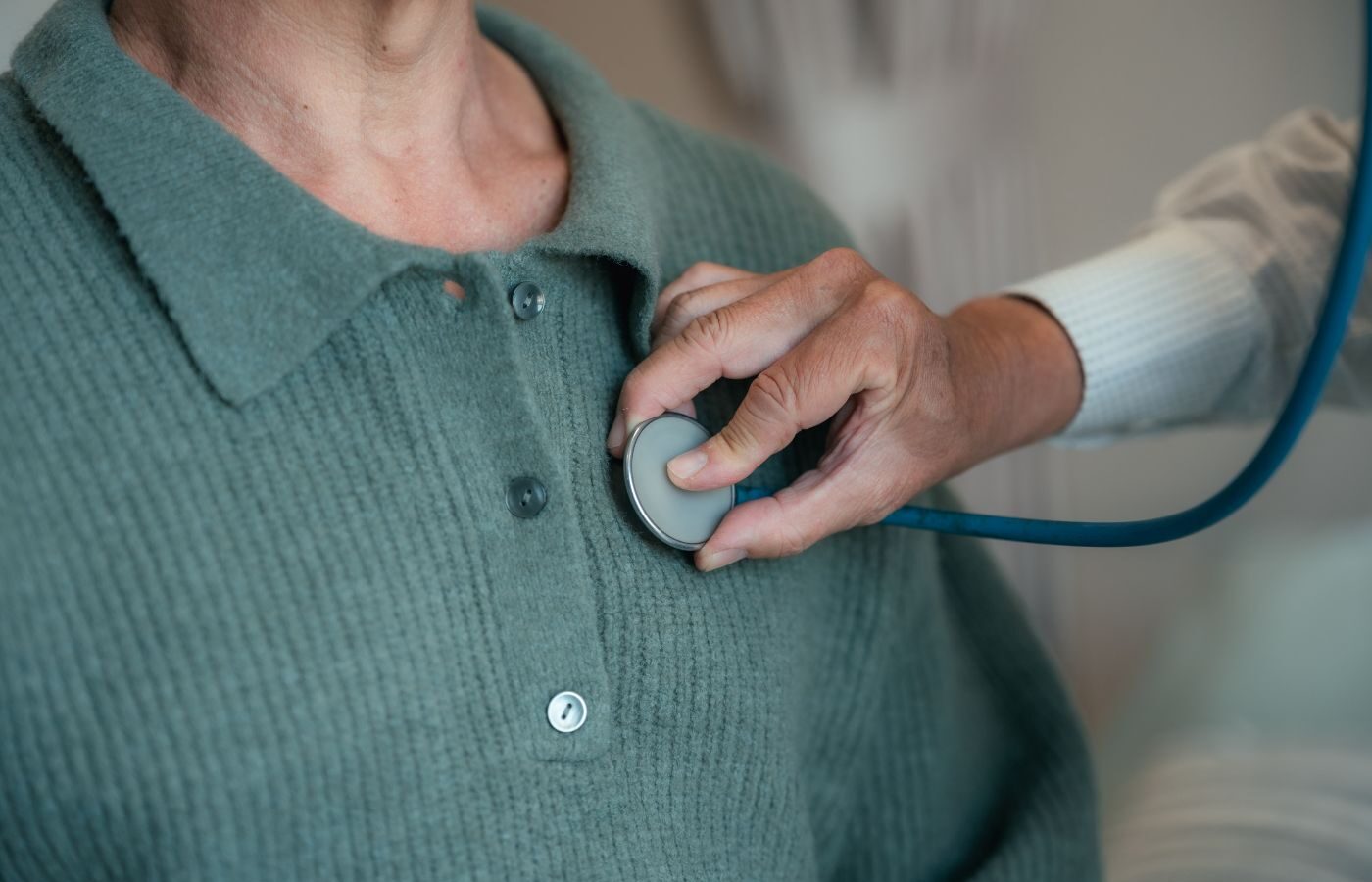
The run-up to Christmas is busy for most of us. Late nights, more alcohol, richer food and a long to-do list all add up. Stress raises your heart rate and blood pressure while it lasts, and for most people both settle once the pressure eases.
For some, the combination of stress, heavy drinking, salty food and poor sleep can trigger palpitations or an irregular heartbeat. This article explains how stress affects the heart, which symptoms are worth getting checked, and small changes that can help you through December.
How does stress affect your heart?
When you feel stressed, your body releases hormones such as adrenaline and cortisol. These make your heart beat faster and your blood vessels narrow, which raises your blood pressure. This is a normal response, and in most people blood pressure returns to its usual level once the stressful situation is over.
Short bursts of stress are unlikely to harm a healthy heart. The bigger concern is stress that goes on for weeks, and the habits that often come with it: drinking more, eating more salt and fat, sleeping less and moving less. Over time, these habits can raise your blood pressure for good, and high blood pressure is one of the main risk factors for heart attack and stroke.
Why the festive season can put extra strain on your heart
December tends to bring several heart stressors at once:
- More alcohol – alcohol raises blood pressure and, in larger amounts, can disturb the heart’s rhythm
- Richer, saltier food – salt makes the body hold on to water, which raises blood pressure
- Late nights and broken sleep – poor sleep keeps stress hormones higher
- Less exercise – routines slip with shorter days and busy diaries
- Cold weather – blood vessels narrow in the cold, so the heart works harder
- Missed medication – travel and disrupted routines make it easier to forget tablets for blood pressure or a heart condition
What is holiday heart syndrome?
Holiday heart syndrome is an irregular heartbeat, usually atrial fibrillation (AF), brought on by heavy drinking. Doctors first described it in 1978 after noticing more patients with heart rhythm problems after holiday celebrations. It can happen to people with no known heart condition.
Symptoms often start the morning after drinking and can include a fast or fluttering heartbeat, breathlessness, dizziness or tiredness. Episodes often settle within a day or two once you stop drinking. AF still needs to be checked, because untreated AF increases the risk of stroke.
“Most stress-related rises in blood pressure settle once the pressure eases. Symptoms that keep coming back are worth getting checked.”
Heart symptoms worth getting checked
Book an appointment if you notice any of the following, particularly if they happen more than once:
- Palpitations: a racing, pounding, fluttering or irregular heartbeat
- Breathlessness that is new or worse than usual for you
- Chest discomfort or tightness when you walk, climb stairs or feel stressed, which eases with rest
- Dizziness or feeling faint
- Swollen ankles or unusual tiredness
- A high blood pressure reading at home or at a pharmacy (140/90 or higher)

A short daily walk can help with stress, blood pressure and sleep over the festive period.
When to call 999
Call 999 straight away if you have chest pain or pressure that lasts more than a few minutes, or pain that spreads to your arm, jaw, neck, back or stomach. Other warning signs include sweating, feeling sick, breathlessness or feeling lightheaded alongside chest pain. Do not wait to see if it passes, and do not drive yourself to hospital.
Call 999 for signs of a stroke, too: the face drooping on one side, weakness in one arm, or slurred speech.
Heart attack symptoms in women
Chest pain or tightness is the most common heart attack symptom in both women and men. The British Heart Foundation says women do not have a separate set of symptoms. The difference is in how symptoms are described, recognised and acted on.
Some women describe the feeling as pressure, tightness or discomfort rather than severe pain. Symptoms can also be mistaken for indigestion, anxiety or tiredness, particularly when they come with:
- Breathlessness
- Feeling sick or being sick
- Pain in the back, jaw, neck or arms
- Sweating, dizziness or feeling lightheaded
- Unusual tiredness or weakness
Women are more likely to delay calling for help, often because they do not see themselves as at risk. UK research has found that women are 50% more likely than men to be given the wrong initial diagnosis after a heart attack. Coronary heart disease kills more than twice as many women as breast cancer in the UK each year, and the risk rises after the menopause.
If you are a woman with chest discomfort and any of these symptoms, call 999. Do not wait to see if it passes, even if it feels mild.
Small changes that can help through December
You do not need to give up the festive season to look after your heart. A few small changes can make a difference:
- Pace your drinking. UK guidance is no more than 14 units of alcohol a week, spread over 3 or more days, with several drink-free days. Alternate alcoholic drinks with water or soft drinks.
- Go easy on salt. Adults should have no more than 6g of salt a day, about a teaspoon. Much of it is hidden in processed meats, cheese, crisps, gravy and ready meals.
- Keep moving. Aim for 150 minutes of moderate activity a week, such as brisk walking. A walk after a big meal counts.
- Protect your sleep. Try to keep a regular bedtime on most nights, even during party season.
- Make time to switch off. Slow breathing, a short walk or ten minutes away from your to-do list can bring your heart rate down.
- Keep taking your medication. If you take tablets for blood pressure or a heart condition, pack enough for travel and keep to your usual times.
- Know your numbers. Ideal blood pressure is between 90/60 and 120/80. Free blood pressure checks are available at many pharmacies for adults aged 40 and over.
Choose the right appointment for you
Book a Private GP appointment – If you have new symptoms, a high blood pressure reading, or would like a general check of your heart health. Our GPs can check your blood pressure, arrange blood tests and an ECG, and refer you to a cardiologist if needed.
Book a GP appointmentBook a Cardiology appointment – If you have palpitations, an irregular heartbeat, chest discomfort on exertion or a known heart condition. You will see our Consultant Cardiologist, Dr Timothy Gray, who can arrange tests including an ECG, echocardiogram or 14-day ZIO heart monitor.
Book a Cardiology ConsultationFrequently asked questions
Stress raises your heart rate and blood pressure for a short time. Long-term stress can contribute to heart disease, mainly through habits such as drinking more, eating poorly, sleeping less and moving less, which can raise blood pressure over time.
Alcohol can speed up your heart rate and, after heavy drinking, can trigger an irregular rhythm called atrial fibrillation. This is sometimes called holiday heart syndrome. If your heartbeat feels irregular or the racing keeps happening, get it checked.
Palpitations caused by stress, caffeine or alcohol are often harmless. See a doctor if they are frequent, last a long time, or come with chest pain, breathlessness, dizziness or fainting.
UK guidance is no more than 14 units a week, spread over 3 or more days, with several drink-free days. Drinking a lot in one session raises the risk of an irregular heartbeat.
See a cardiologist if palpitations keep coming back, feel irregular, or come with other symptoms. Tests such as an ECG or a 14-day ZIO heart monitor can record your heart rhythm while symptoms happen.
Yes. Dr Timothy Gray, Consultant Cardiologist, sees patients at Enigma Healthcare in Tarporley, Cheshire. We accept private health insurance from major insurers, including AXA, Bupa and Vitality.
ASK US ANYTHING
Have a question before you book?
Not ready to book an appointment just yet, or want to know more about palpitations, blood pressure, or which heart test might be right for you? Leave us your details and your question below, and a member of our team will get back to you personally.
Prefer to talk straight away? Call us on 01829 863 331.
Worried about your heart?
Book a cardiology appointment with Consultant Cardiologist Dr Timothy Gray in Tarporley.
Book Cardiology Consultation